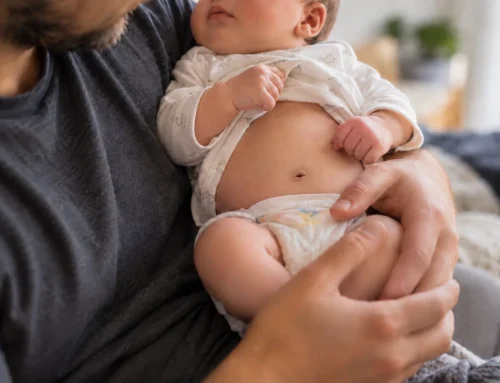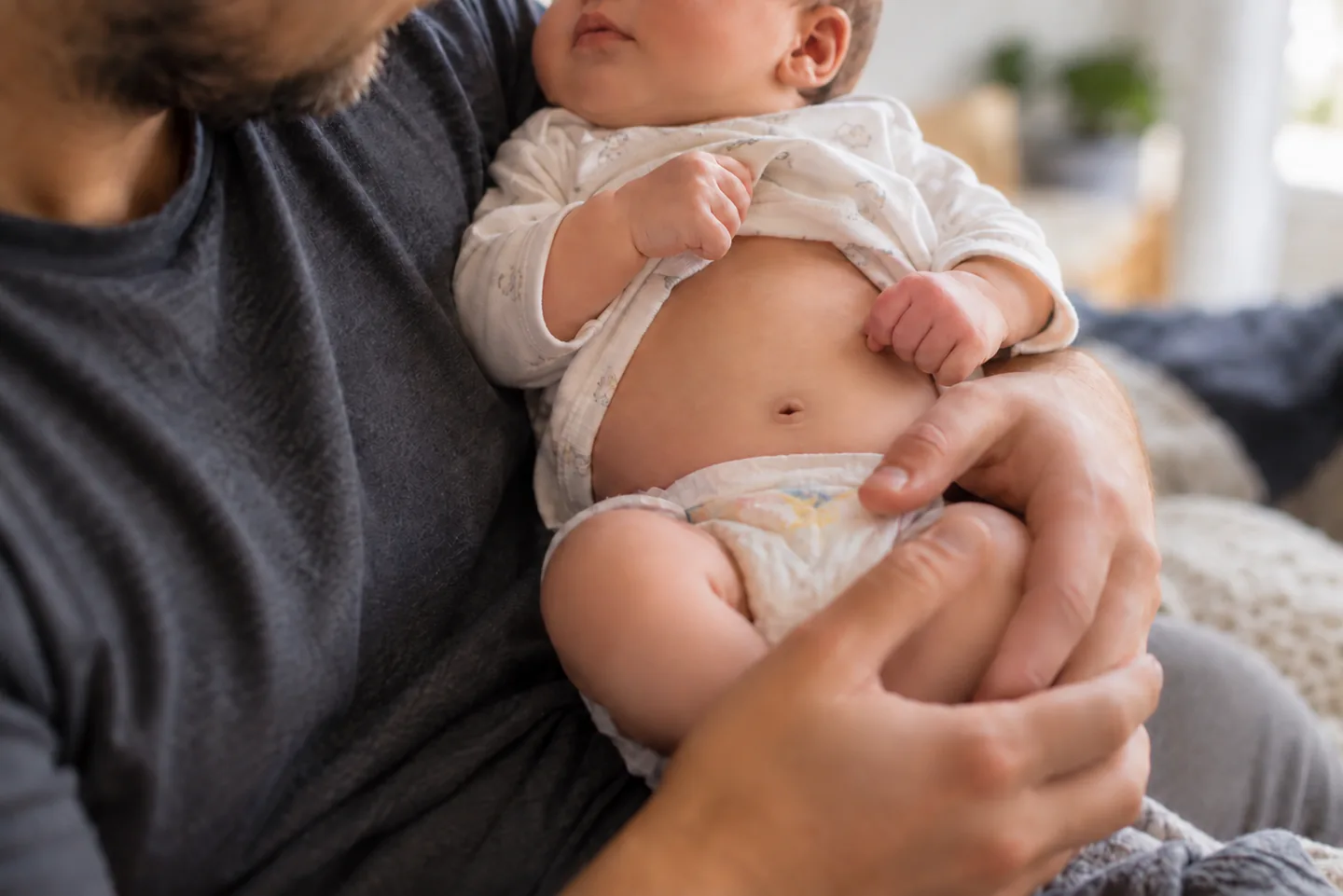


Back to school and sport: when groin swelling or testicular discomfort deserve attention
With the return to school and sport, symptoms such as groin swelling, groin pain or testicular discomfort may become more noticeable. Here is when a specialist assessment may be useful.
Your Content Goes Here
Back to school, sport and signs to look out for
With the return to school and the resumption of sporting activities, children and adolescents become more active again: running, training, gym sessions and busier days can make some pre-existing symptoms more noticeable.
Signs that should not be overlooked include groin swelling, groin pain, testicular discomfort or a feeling of heaviness in the scrotum.
These symptoms do not always indicate a serious condition, but they can be associated with problems that deserve specialist assessment, such as inguinal hernia in children or varicocele in adolescents.
Inguinal hernia in children: watch for swelling
An inguinal hernia in a child is generally a congenital condition, caused by the persistence of a small channel that is present from birth.
The most typical sign is a swelling in the groin, which in boys may extend into the scrotum and in girls towards the labia majora.
The swelling may become more noticeable when the child cries, coughs, moves or strains. It may also reduce or disappear at other times, giving the impression that the problem has resolved.
In fact, even an intermittent swelling should be assessed: the presence or absence of pain alone is not enough to determine how significant the condition may be.
When a suspected hernia should be assessed
I recommend a paediatric surgery consultation whenever a swelling appears in the groin, scrotum or labia majora, even if it tends to go back in on its own.
The assessment helps distinguish between inguinal hernia, hydrocele and other conditions that can cause swelling in the same area.
Urgent medical assessment is important if the swelling no longer reduces, becomes hard or very painful, or is associated with vomiting, inconsolable crying, redness or a worsening of the child’s general condition.
Varicocele in adolescents: discomfort or a feeling of heaviness
In older boys, particularly during adolescence, another condition to consider is varicocele.
A varicocele is a dilatation of the veins around the testicle. It may cause no symptoms at all, or it may present with testicular discomfort, a feeling of heaviness in the scrotum or pain, particularly after physical activity or after standing for long periods.
In some cases, it is identified during a routine examination because the testicle on the affected side appears smaller than the other.
The presence of varicocele does not automatically mean that surgery is necessary. During the consultation, I assess the symptoms, testicular growth and whether further investigations are needed, such as a testicular ultrasound scan.
A consultation to understand when treatment is needed
Groin swelling, pain or testicular discomfort can have different causes. Some conditions only require observation, while others need specific treatment.
For this reason, it is important not simply to wait for the problem to “go away on its own”, especially if the symptom recurs or becomes more noticeable during physical activity.
During the consultation, I can clarify the cause of the problem, reassure the family and recommend the most appropriate pathway: monitoring, follow-up over time or, when necessary, surgical treatment.
Book a consultation
If you have noticed groin swelling, groin pain, testicular discomfort or a suspected varicocele, a specialist assessment can help clarify how best to proceed.
My aim is to support the child or adolescent and their family with clear information, explaining each step and choosing the timing and treatment approach according to the individual case.